.png)
.png)


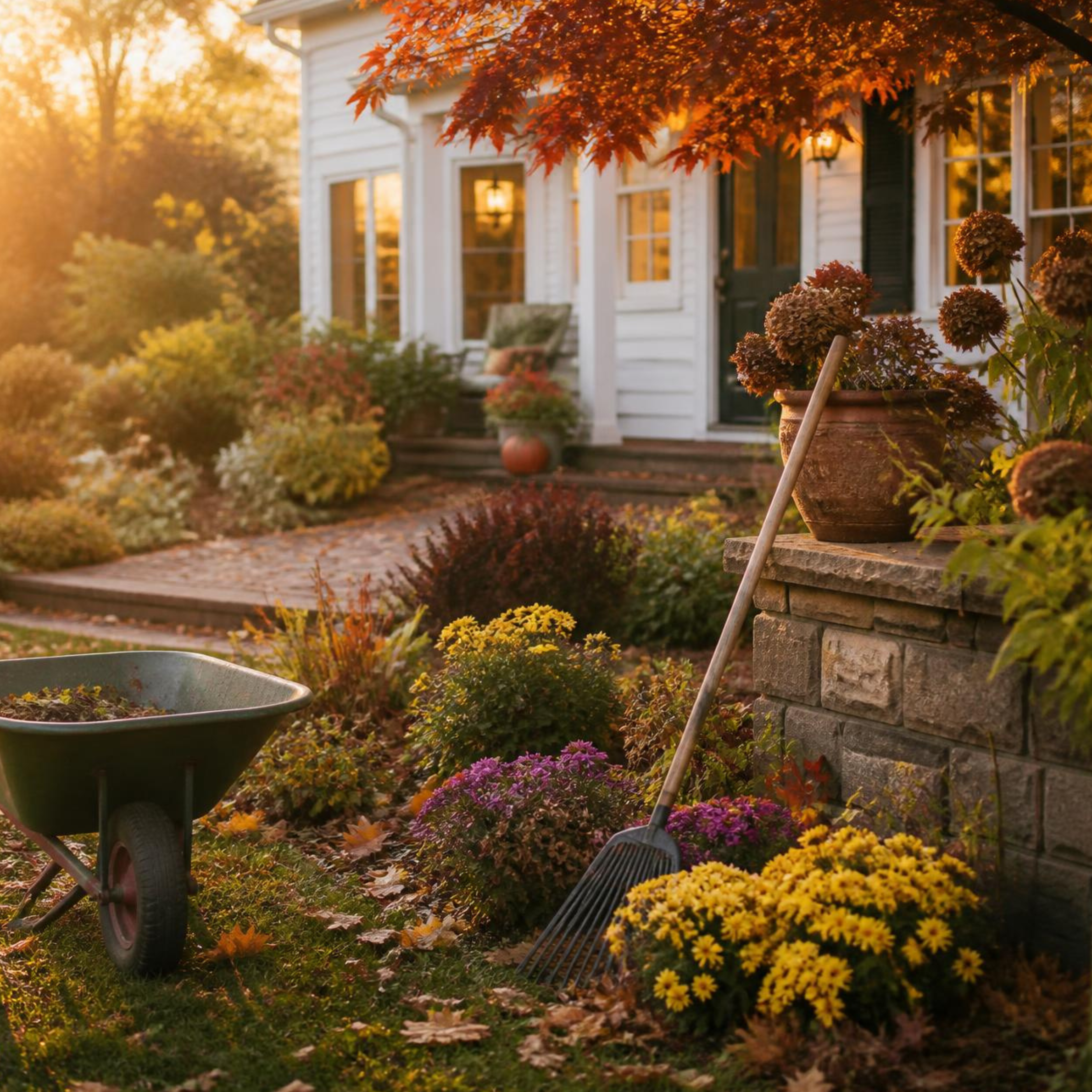
How to Tuck Your Garden in for the Season

Chris Holm & Associates
We want you to know that our team is unique in the way we chose to approach real estate here in the North Okanagan. We are a true real estate co...
We want you to know that our team is unique in the way we chose to approach real estate here in the North Okanagan. We are a true real estate co...
How to Tuck Your Garden in for the Season
Happy Fall Equinox
Fall in the Okanagan can be a real mixed bag of weather and anything is possible, so sometimes having a plan on how to tackle putting the garden to bed for the winter is the key to being able to make the best of the sunny moments. Here are some tips to make it easy to just get up and get it done!
There is a certain kind of satisfaction in putting a garden to bed properly before winter sets in. It is not just about tidiness. A little bit of work now means less work come spring, and a yard that bounces back healthier and fuller than if it had been left to fend for itself through the cold months.
Clear out what has finished for the season.
Start by pulling spent annuals and any vegetable plants that are done producing. Leaving them in the ground through winter does not protect anything, it just gives pests and disease a place to hide until next year. While you are at it, rake up fallen leaves and give perennial beds a light trim, cutting back anything that has gone brown or brittle.
Protect what is coming back next year.
Perennials, shrubs, and any young trees benefit from a fresh layer of mulch before the ground freezes. It insulates roots against temperature swings and helps hold moisture through the drier fall stretch. If you have anything tender, potted plants, roses, or newly planted shrubs, this is also the time to wrap them or move them somewhere more sheltered.
Set yourself up for an easier spring.
A little preparation now can save you time, frustration, and a few unexpected surprises when spring arrives. These simple tasks are easy to tackle a little at a time and will help set your garden up for a stronger start next season.
- Drain and disconnect garden hoses before the first hard frost to help prevent cracking and damage.
- Give your garden tools a quick clean before storing them for the season to help prevent rust.
- Plant spring bulbs like tulips and daffodils now so they’re ready to bloom in the spring.
- Don’t try to do everything at once. Pick one afternoon, tackle one section, and leave the rest for another weekend
- Small, consistent care goes a long way. A little attention throughout the season can help your garden come back stronger in spring.
One often-overlooked fall task is to keep leaves from sitting on your lawn for long periods, especially when they’re wet. A thick layer can block light and trap moisture against the grass, contributing to winter damage and spring lawn problems, so a quick rake or mulch with the mower is worth doing before the snow arrives.
Your home does not need to be a constant project to be a great investment of your time and energy. Sometimes the smartest move is simply knowing what matters, what does not, and where to put your attention next, and that is something we are always happy to help you navigate.
Once the garden's done, keep walking
The garden is the part with a deadline. The rest of the outside is the part that's easy to forget until something goes wrong in January. Here's the walk-around, zone by zone.
The yard. Hose bibs first, shut off the interior valve, open the tap to drain the line, then coil the hose and bring it in. A hose left attached over winter is one of the most common ways a pipe ends up splitting, and you don't find out until spring. While you're out there, empty anything that holds water and freezes: birdbaths, watering cans, the wheelbarrow you've been meaning to put away since July.
The deck. Sweep out what's collected between the boards. Leaves packed into the gaps hold moisture against the wood all winter, which is how a deck that looked fine in September comes out soft in April. Cushions and furniture under cover or inside, umbrella down. If there were boards on your list this summer, now's when you find out how urgent they are.
The garage. Mice. Fall is when they come looking, and the garage is usually the way in. Check the seal along the bottom of the garage door - if light gets through, so does a mouse. Same for the gap where the door meets the frame. While you're in there, move anything that shouldn't freeze off the concrete and onto a shelf: paint, adhesives, some cleaners.
The gutters. After the leaves are down, not before, or you'll be doing it twice. Clogged gutters here aren't only an overflow problem - water that can't drain off the roof refreezes and backs up under the shingles. Check that the downspouts are still carrying water well away from the foundation, not puddling against it.
The weatherstripping. Go around the doors and windows on a cold morning and just feel along the edges with the back of your hand. Anything brittle or flattened gets replaced. It's the cheapest thing on this list and the one that shows up on your heating bill.
Want it in a form you can carry around? We've got the whole walk-around as a printable checklist — space for your own notes, and a 30-day fall prep challenge you can score yourself on. Text or call us at 250.309.0039, or email [email protected], and we'll send it over.
You'll get a person, not a phone tree.
| Chris Holm Personal Real Estate Corp. 250.309.0039 | Patric Tremblay Realtor® 250.306.4690 | Julie Lutz Realtor® 250.241.3114 | Jasmine Hall Realtor® 604.818.4597 | Kristi Boe Office Manager |